
"Holy Field"
117 article(s) found
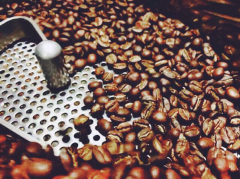
The history of coffee. How much do you know about the history of coffee?
When we enjoy coffee, most of the time we just think of it as a drink, a different, unique, refreshing drink, but seldom think about it: what's the big thing about a small coffee? Just because coffee is astonishingly famous, it is the second largest export product in the world after oil. Since it was recognized and first eaten by human beings, it has been used for the first time.

The legendary coffee culture knowledge that coffee can change the world.
Have you ever had coffee? Does the coffee really taste good? In fact, when we enjoy coffee, most of the time we just regard it as a drink, a different, unique, refreshing drink, but seldom think about it: what is the big name of a small coffee? Just because coffee is amazingly big, it is the second largest coffee in the world after oil.

[JMedia] the coffee in Zhongguancun Entrepreneurship Street is cold and there is no way out.
Only those who are rooted in the street know that the cold wind is blowing under the lively appearance of Zhongguancun Venture Street. The impact of capital winter on Entrepreneurship Street is obvious, but it is still Yan'an for entrepreneurs all over the country. For entrepreneurs, there is no way out. In this 220-meter street, life and death are staged alternately, dreams and reality knead the face of an era. 1. Deserted and deserted

Kenyan coffee bean varieties SL28, SL34 grading system AA, AB, PB grade flavor difference
Kenya, located in East Africa, is one of the major coffee producing countries. More than 6 million people in the country are engaged in the coffee industry, mostly in the form of a combination of small farmers and cooperatives. Coffee trees in Kenya are mostly planted at 1400 m-2000 m above sea level, and the growing areas include Ruiri, Thika, Kirinyaga and Mt. Kenya West, Nyeri, Kiambu and Muranga. With M

[recommendation of introduction to Coffee Books] Top 10 best-selling coffee books in 2017
Professional coffee knowledge exchange more coffee bean information please follow the coffee workshop (Wechat official account cafe_style) 1 "Coffee: a complete explanation of 122 kinds of World Fine Coffee" Taguchi protects the Confederate Publishing Professionals, describing everything about coffee with photos and text. Know the roasting degree, bitterness, sour taste and aroma, and strictly select 122 kinds of fine coffee in the world to introduce to you. Ben

The best Sumatran coffee beans Sumatran coffee and decaf Sumatra coffee
Sumatran Coffee and low-Indo Sumatra Coffee popular Index description: this coffee has earthy aromas and mysteries as well as an unusually strong flavor; it has a thick, deep earthy aroma. Sumatran coffee is very popular and is the best purebred coffee we sell. Processing: semi-washing method. Location: Sumatra is one of the largest islands in Indonesia, India

This is an introductory textbook that every coffee shop owner must read.
New secret of coffee, preemptive disclosure: light of New Taiwan: champion roaster and baking curve detailed explanation of the third wave of essence: Nordic coffee aesthetic trend, roasting techniques new roaster list: low maintenance, low energy consumption, high cost-effective US-Taiwan famous machine knowledge about coffee, how much do you know? A bitter and black drink with dryness and heat, beneficial to the stomach, can treat headache, increase physical strength and can be cleaned

Differences in description of flavor and taste of coffee bean varieties in three major coffee producing areas
Description of the original flavor of coffee beans in the three major coffee producing areas (Minita). The land is owned by the last three generations of the McAlpine family in the UK. In fact, this land can produce more than 450 tons of coffee a year. But Tarasu Latin American coffee is grown without artificial fertilizers or insecticides, and its harvest and selection are all done by hand.

Know several kinds of coffee and coffee beans
1 Coffee trees are evergreen shrubs or trees belonging to the Rubiaceae; wild coffee trees can grow to a height of 5 to 10 meters, but coffee trees planted in the manor are often cut to a height of less than 2 meters in order to increase fruit and facilitate harvesting. The opposite leaf of the coffee tree is long oval, the leaf surface is smooth, the end branch is very long, the branch is few, and the flower is white, opening on the petiole.

Enjoy life and know the knowledge of fine coffee
1 Coffee trees are evergreen shrubs or trees belonging to the Rubiaceae; wild coffee trees can grow to a height of 5 to 10 meters, but coffee trees planted in the manor are often cut to a height of less than 2 meters in order to increase fruit and facilitate harvesting. The opposite leaf of the coffee tree is long oval, the leaf surface is smooth, the end branch is very long, the branch is few, and the flower is white, opening on the petiole.
Coffee encyclopedia knows several kinds of coffee and coffee beans
1 Coffee trees are evergreen shrubs or trees belonging to the Rubiaceae; wild coffee trees can grow to a height of 5 to 10 meters, but coffee trees planted in the manor are often cut to a height of less than 2 meters in order to increase fruit and facilitate harvesting. The opposite leaf of the coffee tree is long oval, the leaf surface is smooth, the end branch is very long, the branch is few, and the flower is white, opening on the petiole.
Basic knowledge of coffee several kinds of coffee and coffee beans
1 Coffee trees are evergreen shrubs or trees belonging to the Rubiaceae; wild coffee trees can grow to a height of 5 to 10 meters, but coffee trees planted in the manor are often cut to a height of less than 2 meters in order to increase fruit and facilitate harvesting. The opposite leaf of the coffee tree is long oval, the leaf surface is smooth, the end branch is very long, the branch is few, and the flower is white, opening on the petiole.

General knowledge of boutique coffee several kinds of coffee and coffee beans
1 Coffee trees are evergreen shrubs or trees belonging to the Rubiaceae; wild coffee trees can grow to a height of 5 to 10 meters, but coffee trees planted in the manor are often cut to a height of less than 2 meters in order to increase fruit and facilitate harvesting. The opposite leaf of the coffee tree is long oval, the leaf surface is smooth, the end branch is very long, the branch is few, and the flower is white, opening on the petiole.

Understand the basic knowledge of several kinds of coffee and coffee beans
1 Coffee trees are evergreen shrubs or trees belonging to the Rubiaceae; wild coffee trees can grow to a height of 5 to 10 meters, but coffee trees planted in the manor are often cut to a height of less than 2 meters in order to increase fruit and facilitate harvesting. The opposite leaf of the coffee tree is long oval, the leaf surface is smooth, the end branch is very long, the branch is few, and the flower is white, opening on the petiole.
The spread of Coffee Coffee Culture of Coffee all over the World
The Discovery and spread of Coffee how was coffee discovered? When people taste mellow coffee, they can't help but ask such questions. According to Roth de Neroy, a Roman linguist, around the sixth century AD, an Arab shepherd named Caldai was very excited and excited to see every goat when he went to graze on the grasslands of Ethiopia. It made him

The Discovery of Coffee and the Coffee Culture of Coffee all over the World
The Discovery and spread of Coffee how was coffee discovered? When people taste mellow coffee, they can't help but ask such questions. According to Roth de Neroy, a Roman linguist, around the sixth century AD, an Arab shepherd named Caldai was very excited and excited to see every goat when he went to graze on the grasslands of Ethiopia. It made him

World Coffee Science: understanding the Historical and Cultural Source of World Coffee Coffee must see the knowledge points
The Discovery and spread of Coffee how was coffee discovered? When people taste mellow coffee, they can't help but ask such questions. According to Roth de Neroy, a Roman linguist, around the sixth century AD, an Arab shepherd named Caldai was very excited and excited to see every goat when he went to graze on the grasslands of Ethiopia. It made him